
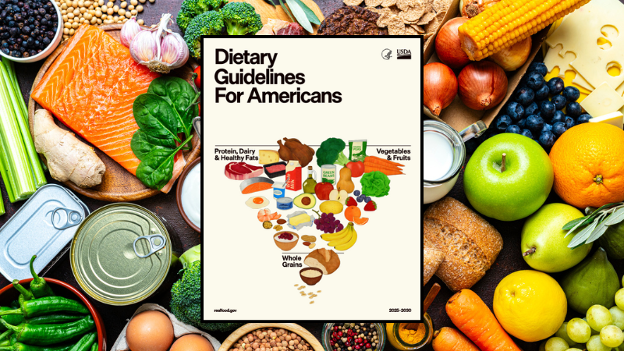
The 2025-2030 Dietary Guidelines for Americans put a key emphasis on prioritizing high-quality, nutrient-dense protein foods, like chicken, as part of a healthy dietary pattern across all stages of life. TheGuidelines also specifically recommend consuming a variety of protein foods from animal sources, including poultry.
“It’s abundantly clear that chicken is a lean and affordable protein that can help all Americans across all stages of life meet the new dietary guidelines,” said Ashley Peterson, Ph.D., National Chicken Council senior vice president of scientific and regulatory affairs. “I want to thank President Trump, and Secretaries Rollins and Kennedy for their leadership in the formulation of the new guidelines. We’re pleased the administration took a science-based and common-sense approach to healthy eating and rejected recommendations put forth by the previous Dietary Guidelines Advisory Committee (DGAC) that emphasized plant-based proteins over lean meats like chicken, as evidenced in the new FoodPyramid.”
Jointly published by the U.S. Departments of Agriculture (USDA) and Health and Human Services (HHS) every five years, the guidelines are considered a cornerstone of federal nutrition policy and provide recommendations designed to foster healthy dietary patterns for Americans of all ages – from birth through older adults.
Among the new Guidelines’ recommendations:
A strong endorsement of protein—and poultry is explicitly included. The Guidelines encourage consumers to “prioritize protein foods at every meal” and specifically lists eggs and poultry among recommended animal protein choices. It also sets a relatively high daily protein goal (1.2–1.6g/kg/day), almost doubling the previous recommendation, which naturally supports lean, versatile proteins like chicken. Poultry is also positioned as a whole, animal food source of nutrient-dense and high-quality protein across the lifespan.
Cooking method matters. The Guidelines encourage swapping “deep-fried” methods for baked, broiled, roasted, stir-fried, or grilled approaches.
“Highly processed foods,” sodium, and additives are a recurring theme. The Guidelines repeatedly urges limiting “highly processed” foods—especially those that are salty—and calls out artificial preservatives, artificial flavors, and petroleum-based dyes. They specifically mention chips, cookies and candies. It also maintains the standard sodium target of <2,300mg/day for ages 14+ and notes that highly processed, high-sodium foods should be avoided.
Saturated Fat: Cap remains, but chicken can be part of the solution. The Guidelines reiterate that saturated fat should generally stay under 10% of daily calories and suggests that reducing highly processed foods helps meet this goal.
Low-carb patterns get a nod. The Guidelines state that some individuals with chronic disease may see improved outcomes with lower-carbohydrate diets, reinforcing the mainstreaming of higher-protein/lower-carb patterns where chicken is a go-to staple.
Healthy Fats. For the first time, the Guidelines recommend the consumption of healthy fats that are found in many whole foods, such as meat, poultry, eggs, omega 3–rich seafood, nuts, seeds, full-fat dairy, olives, and avocados.
“Combined with its nutritional value, positive health benefits, popularity, versatility, affordability, and environmental sustainability, chicken is a pillar of the protein subgroup, and we’re pleased that is reflected in the new Dietary Guidelines for Americans,” Peterson concluded. “Chicken is back at the top of the new Food Pyramid – where it belongs.”
.png)